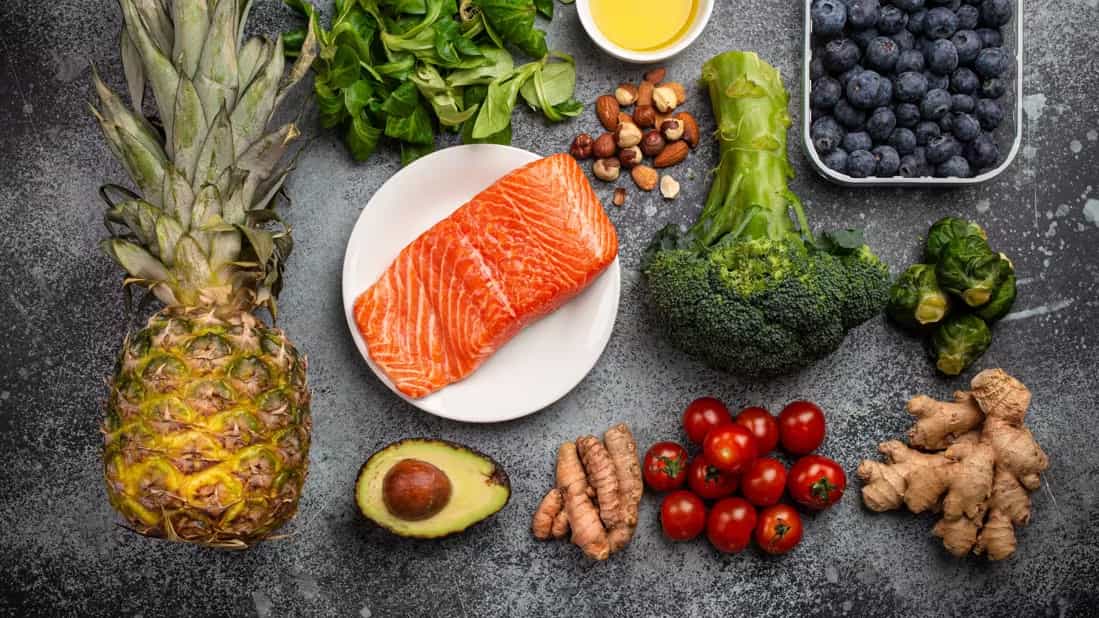
Many everyday foods can meaningfully lower chronic, low‑grade inflammation when eaten as part of a balanced diet—especially colorful plants, healthy fats, and fermented foods. This guide focuses on foods with some of the strongest human evidence, not just trendy labels.
Why food matters for inflammation
Chronic inflammation is linked to heart disease, diabetes, some cancers, and autoimmune conditions, and diet is one of the main levers you can control. An “anti‑inflammatory” way of eating emphasizes whole, minimally processed foods rich in fiber, antioxidants, and healthy fats, while cutting back on refined carbs, processed meats, and excess sugar.
Core pattern that works
- Mediterranean‑style eating (lots of vegetables, fruits, whole grains, legumes, nuts, olive oil, and fish) consistently reduces inflammatory markers like C‑reactive protein and lowers chronic disease risk.
- Anti‑inflammatory diets tend to work as patterns, but individual foods below are key building blocks you can feature every day.
1. Fatty fish rich in omega‑3s
Fatty fish like salmon, sardines, mackerel, herring, and trout are among the best‑documented anti‑inflammatory foods.
- Omega‑3 fats (EPA and DHA) help shift the body away from producing pro‑inflammatory compounds and toward pro‑resolving mediators that calm inflammation.
- Eating fatty fish 2–3 times per week is consistently associated with lower risk of heart disease and reduced inflammatory biomarkers in large human studies.
How to use:
- Include grilled, baked, or canned oily fish in lunches and dinners.
- If you do not eat fish, talk to a professional about algae‑based omega‑3 supplements.
2. Extra‑virgin olive oil
Extra‑virgin olive oil (EVOO) is a cornerstone of anti‑inflammatory diets.
- It supplies monounsaturated fat plus bioactive polyphenols (such as oleocanthal) that act on some of the same inflammatory pathways as mild NSAIDs.
- Higher intakes of olive oil within Mediterranean‑style diets are linked to lower CRP levels and reduced risk of cardiovascular events.
How to use:
- Make EVOO your default cooking and salad oil.
- Drizzle over vegetables, grains, and fish instead of using butter or creamy sauces.
3. Colorful vegetables and fruits
Deeply colored produce—dark leafy greens, berries, citrus, tomatoes, carrots, peppers, beets, cruciferous vegetables—provide vitamins, minerals, fiber, and thousands of polyphenols with anti‑inflammatory and antioxidant effects.
- Diets high in a wide variety of plant foods correlate with lower inflammatory markers and lower rates of chronic disease.
- Combining several colors per meal increases the range of protective compounds you get.
How to use:
- Aim for at least half your plate from vegetables and some fruit most meals.
- Rotate colors: for example, spinach and tomatoes one day, broccoli and carrots another, berries or citrus as daily fruit.
4. Whole grains instead of refined grains
Whole grains such as oats, barley, brown rice, quinoa, and whole‑wheat provide fiber and phytochemicals that support gut health and modulate inflammation.
- Replacing refined grains with whole grains is associated with lower CRP, IL‑6, and other inflammatory markers in many intervention and cohort studies.
- Fiber from whole grains feeds beneficial gut bacteria, which in turn produce compounds (like short‑chain fatty acids) that help calm inflammation.
How to use:
- Swap white bread, white rice, and pastries for oats, whole‑grain bread, brown rice, quinoa, or barley.
- Increase gradually if you are not used to fiber to avoid bloating.
5. Nuts and seeds
Almonds, walnuts, pistachios, flaxseeds, chia seeds, and hemp seeds offer healthy fats, fiber, minerals, and polyphenols.
- Regular nut intake is associated with lower inflammatory biomarkers and reduced cardiovascular risk.
- Walnuts, flax, chia, and hemp add plant‑based omega‑3s (ALA), which contribute to an overall anti‑inflammatory profile.
How to use:
- Have a small handful of mixed nuts most days instead of chips or sweets.
- Add ground flax or chia to yogurt, smoothies, or oatmeal.
6. Legumes (beans, lentils, chickpeas, soy)
Beans and lentils are nutrient‑dense, high‑fiber foods that stabilize blood sugar and support the microbiome.
- Diets rich in legumes are repeatedly linked to lower inflammation and better metabolic health compared with meat‑heavy, refined‑carb diets.
- Soy foods (tofu, tempeh, edamame) provide isoflavones that appear to reduce certain inflammatory markers in many human studies.
How to use:
- Build meals around lentil soups, bean chili, chickpea stews, or tofu stir‑fries a few times per week.
- Replace some red or processed meat with legumes to gain anti‑inflammatory benefits.
7. Fermented foods and yogurt
Yogurt with live cultures, kefir, kimchi, sauerkraut, miso, and other fermented foods support a healthier gut microbiome.
- Human studies show that fermented dairy and other probiotic foods can reduce inflammatory markers and improve immune balance in some groups.
- A healthier microbiome helps regulate immune responses and may reduce systemic low‑grade inflammation over time.
How to use:
- Choose plain yogurt or kefir with live cultures; add fruit and nuts rather than sugar.
- Include small daily portions of kimchi, sauerkraut, or other fermented vegetables if you tolerate them.
8. Herbs and spices with real data
Several herbs and spices have demonstrated measurable anti‑inflammatory effects in human studies, especially when used consistently.
- Turmeric (curcumin): Curcumin supplements, particularly when combined with black pepper or formulated for better absorption, have repeatedly lowered inflammatory markers and improved pain in osteoarthritis and metabolic conditions. As a food, turmeric contributes but is less concentrated.
- Ginger: Ginger supplements can reduce CRP and other markers and ease painful, inflammatory conditions like osteoarthritis and menstrual cramps; using it as a regular culinary spice adds to your anti‑inflammatory pattern.
- Garlic and onions: Allium vegetables contain sulfur compounds and antioxidants associated with lower inflammation and cardiometabolic risk in observational and intervention studies.
How to use:
- Cook with turmeric, black pepper, ginger, garlic, and onions often, not just occasionally.
- Consider evidence‑based curcumin or ginger supplements only under professional guidance, especially if you take medications.
9. Tea, coffee, and cocoa (in moderation)
Polyphenol‑rich drinks can also contribute.
- Green and black tea: Rich in catechins and other polyphenols associated with lower inflammatory biomarkers and improved cardiovascular outcomes in frequent drinkers.
- Coffee: Moderate coffee intake is linked to reduced risk of several chronic diseases and appears to correlate with lower inflammation in many cohorts.
- Dark chocolate/cocoa: High‑cocoa, low‑sugar chocolate and pure cocoa provide flavanols that can improve endothelial function and reduce some inflammatory markers.
How to use:
- Favor unsweetened or lightly sweetened tea and coffee; avoid sugary coffee drinks and large amounts of cream.
- Choose dark chocolate (ideally 70% cocoa or higher) in small portions instead of milk chocolate candy.
10. Putting it together: a daily anti‑inflammatory plate
Instead of chasing one “superfood,” build a pattern that stacks multiple anti‑inflammatory foods while crowding out pro‑inflammatory ones.
Example day:
- Breakfast: Oatmeal with berries, ground flaxseed, and a spoon of plain yogurt; green tea.
- Lunch: Large salad with mixed leafy greens, tomatoes, peppers, chickpeas, olives, and grilled salmon, dressed with extra‑virgin olive oil and lemon.
- Snack: Handful of mixed nuts and a piece of fruit; coffee or tea.
- Dinner: Lentil and vegetable stew cooked with onions, garlic, turmeric, and ginger; side of brown rice and sautéed greens in olive oil; small portion of dark chocolate.
Also limit these
- Highly processed snack foods, sugary drinks, and sweets.
- Processed meats and frequent large servings of red meat.
- Refined grains (white bread, white rice, pastries) as daily staples.
- Excess alcohol and trans fats.
Key takeaways
- No single food “turns off” inflammation, but certain foods and patterns clearly shift the body toward a less inflammatory state.
- Focus on an overall Mediterranean‑style, plant‑forward pattern built around fatty fish, olive oil, vegetables and fruits, whole grains, legumes, nuts, seeds, fermented foods, and anti‑inflammatory herbs and spices.
- Consistency over months and years matters more than perfection on any single day.