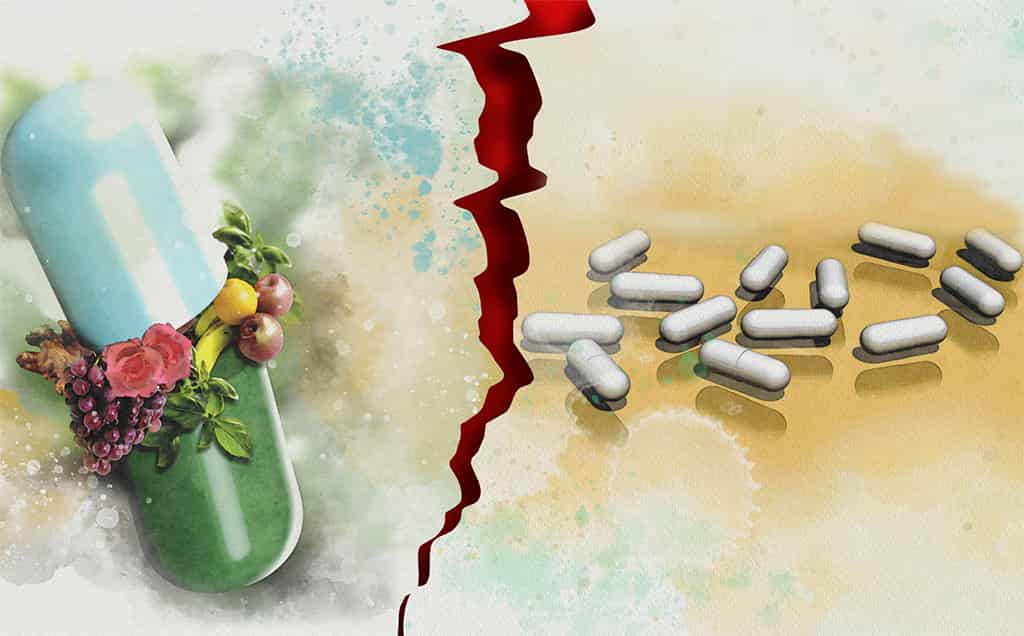
Neither natural supplements nor pharmaceuticals are universally “better”—the right choice depends on the condition, urgency, evidence, and individual factors. Pharmaceuticals excel in acute, life-threatening situations with rigorous testing, while supplements shine for prevention, mild symptoms, and holistic support when backed by data.
Efficacy: Targeted Power vs. Broad Support
Pharmaceuticals undergo randomized controlled trials (RCTs), Phase I–III studies, and FDA approval, proving specific efficacy for defined conditions. For example, statins reliably lower LDL cholesterol by 20–50% in high-risk patients, reducing heart attack risk with clear dose-response data. Antidepressants like SSRIs show 40–60% response rates in major depression per meta-analyses.
Natural supplements often lack this standardization but can match or complement pharma in milder cases. St. John’s wort rivals SSRIs for mild-moderate depression (23 RCTs, OR 2.67 vs. placebo), and ginger extract eases nausea comparably to some antiemetics. [ from prior] Curcumin (turmeric) reduces OA pain akin to ibuprofen in trials. However, supplements’ multi-compound nature (hundreds vs. pharma’s one) creates synergy but also variability—efficacy depends on quality and dose.
Comparison Table
| Aspect | Pharmaceuticals | Natural Supplements |
|---|---|---|
| Acute Efficacy (e.g., infection, severe pain) | Superior; fast, predictable | Often insufficient alone |
| Chronic/Mild (e.g., inflammation, mood) | Effective but side-effect heavy | Comparable if evidence-based (e.g., omega-3s for heart) |
| Prevention | Limited (e.g., statins for high-risk) | Stronger (e.g., vitamin D for immunity) |
| Study Rigor | High (thousands in RCTs) | Variable; fewer large trials |
Pharma wins for precision; supplements for gentle, multi-target effects.
Safety: Regulated Risks vs. Unseen Dangers
Pharmaceuticals’ side effects are well-documented—e.g., NSAIDs cause 16,000+ GI bleeds yearly in the US—but risks are quantified (e.g., 1–2% serious events), with monitoring protocols. Long-term use can deplete nutrients (e.g., PPIs reduce B12).
Supplements are “natural” but not inherently safe. Contamination (heavy metals, adulterants) affects 20–30% per reviews; St. John’s wort interacts with 50% of drugs (induces CYP3A4, reducing efficacy of birth control, anticoagulants). Herbal toxicity occurs—ephedra caused deaths leading to bans; high-dose kava linked to liver failure. Unlike pharma’s post-market surveillance, supplements rely on voluntary reporting, underestimating harms.
Safety Stats
| Category | Pharma Annual US | Supplements Issues |
|---|---|---|
| Serious ADRs | ~100,000 deaths [known] | Unknown; underreported; 1–2% contaminated |
| Interactions | Well-studied | Often unknown (e.g., ginkgo + warfarin bleeds) |
| Overdose Risk | High if misused | Lower doses, but cumulative toxicity possible |
Pharma risks are known and manageable; supplement risks hidden but real. Always disclose use to doctors.
Regulation and Quality Control
Pharma requires FDA approval: purity >99%, consistent batches, full disclosure. Failure means recalls.
Supplements fall under DSHEA (1994): No pre-market approval; makers self-police claims (“structure/function” ok, e.g., “supports immunity”). 2012 GAO audit: 50% mislabeled potency; FDA warns ~1,000/year but seizes few. Adulteration (e.g., hidden sildenafil in “natural ED pills”) common.
Choose USP/NSF-tested supplements; pharma has built-in trust.
Cost and Accessibility
Supplements: Cheaper long-term ($0.10–0.50/day, e.g., vitamin D $5/month); over-the-counter.
Pharma: Costly without insurance ($50–500/month); generics help, but copays add up.
Supplements win for maintenance; pharma for necessity.
When to Choose Each
Pharma First:
- Life-threatening (antibiotics for pneumonia, insulin for DKA).
- Proven superiority (statins > fish oil for high LDL).
- Surgery/anesthesia prep.
Supplements First:
- Prevention (multivitamin gaps, omega-3s for heart).
- Mild symptoms (probiotics for IBS, ginger for nausea).
- Adjuncts (curcumin + NSAID for OA).
Hybrid Wins: Pharma for acute + supplements for support (e.g., metformin + berberine for diabetes).
Evidence Examples
| Condition | Pharma Winner | Supplement Comparable | Best Combo |
|---|---|---|---|
| Depression | SSRIs (severe) | St. John’s wort (mild) | Therapy + lifestyle |
| OA Pain | Ibuprofen | Curcumin/ginger | Topical NSAID + extract |
| High Cholesterol | Statins | Red yeast rice/plant sterols | Diet + low-dose statin |
| Nausea | Ondansetron | Ginger | As needed |
The Balanced Verdict
Pharma is “better” for acute, severe diseases needing precision and speed—its evidence base is unmatched. Supplements edge out for prevention, chronic mild issues, and fewer acute sides when high-quality and studied (e.g., vitamin D, omega-3s, ginger). Neither is risk-free: pharma’s dangers are labeled; supplements’ lurk in variability.
Smart Strategy:
- Prioritize evidence (Cochrane reviews, NIH).
- Consult MD/pharmacist—disclose everything.
- Test bloodwork to track.
- Lifestyle first (diet, exercise > pills).
- Quality over hype.
In 2026, integration rules: Use pharma’s power where needed, supplements’ subtlety elsewhere. Personalized medicine (genetics, microbiome) blurs lines further—your “better” is unique.