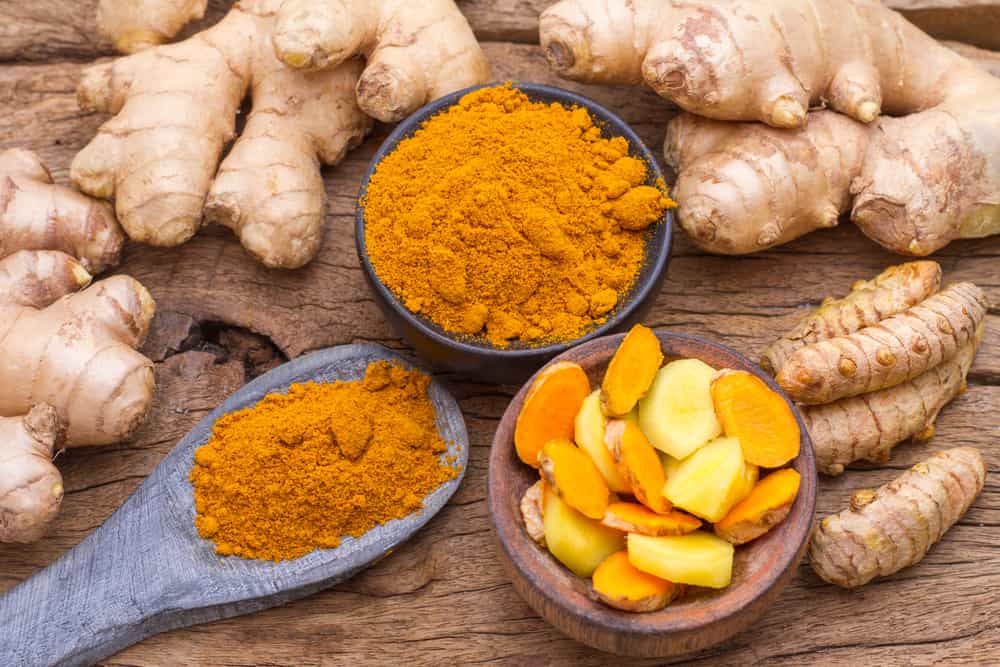
Ginger does have measurable anti-inflammatory effects in humans, but the impact is modest, varies by condition, and is nowhere near as strong or predictable as standard anti-inflammatory drugs.
What “anti-inflammatory” really means
In research, calling a substance anti-inflammatory usually means it can reduce specific biomarkers (like CRP, TNF‑α, IL‑6) or improve symptoms in inflammatory diseases, not that it stops all inflammation in the body. Ginger’s best-studied compounds (such as 6‑gingerol and 6‑shogaol) can down‑regulate pathways like COX‑2 and NF‑κB in lab and animal models, which are key drivers of inflammatory responses.
However, lab mechanisms do not always translate into strong clinical benefits, so human trials and meta-analyses are the critical test. The clinical question is less “Does ginger ever reduce inflammation?” and more “How big is the effect, in which people, at what dose, and for how long?”.
Human evidence from meta-analyses
Several systematic reviews and meta-analyses of randomized controlled trials show that ginger supplementation can lower some inflammatory markers in the blood. A 2020 meta-analysis of 25 clinical studies found statistically significant reductions in CRP, TNF‑α, and IL‑6 after ginger supplementation compared with controls, indicating a real—though variable—anti-inflammatory effect.
At the same time, these analyses highlight important limitations: high heterogeneity between studies, different doses and forms of ginger, short durations, and small sample sizes. An umbrella review of orally consumed ginger concluded that the evidence for anti-inflammatory and antioxidant biomarkers was statistically positive but graded from very low to moderate quality, reflecting those inconsistencies.
Which conditions show benefits?
Clinical and review papers suggest ginger may modestly help in conditions linked to chronic low‑grade inflammation, including type 2 diabetes and some arthritis states. In patients with type 2 diabetes, ginger supplements have been associated with small but significant reductions in inflammatory markers such as TNF‑α and hs‑CRP, supporting its role as a potential adjunct to standard care rather than a standalone therapy.
Reviews of inflammatory diseases such as rheumatoid arthritis, ulcerative colitis and psoriasis report symptom improvements and biomarker reductions in some trials, but the evidence base is still limited and heterogeneous. The 2022 umbrella review also links ginger’s anti-inflammatory actions to clinical pain reduction in osteoarthritis, although the overall effect size is small and study quality mixed.
How strong is the effect?
Across trials, ginger’s impact on inflammatory markers is statistically significant but generally modest in magnitude, often smaller than that of prescription nonsteroidal anti-inflammatory drugs (NSAIDs). One meta-analysis in type 2 diabetes explicitly notes that while inflammatory parameters decreased with ginger supplements, the reductions were relatively small in clinical terms.
A 2024 critical review emphasizes that ginger and its components show “strong” antioxidant properties and the potential to reduce inflammation, but also stresses challenges such as variability in preparations, dosing, and limited long‑term human data. Overall, the pattern suggests a helpful nudge on chronic low‑grade inflammation rather than a powerful, drug‑like suppression.
Practical takeaways for 2026
Taken together, current evidence supports describing ginger as mildly to moderately anti-inflammatory in humans, especially at daily doses around 0.5–3 g of standardized powder or capsules over weeks to a few months. It appears most useful as a supportive add‑on for chronic inflammatory conditions and metabolic disorders, not as a replacement for medically indicated treatments.
For consumers, this means ginger can be a reasonable part of an anti-inflammatory lifestyle—particularly through food or moderate-dose supplements—but expectations should stay realistic, and people with chronic illnesses or on medication should discuss regular supplementation with a clinician.