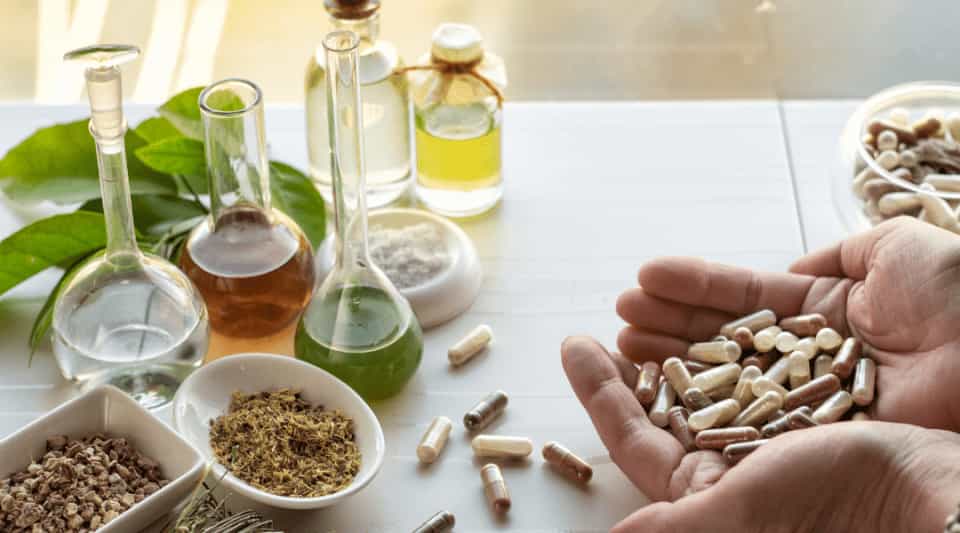
Natural supplements promise health benefits drawn from nature, but their environmental story is complex and often overlooked. From resource-intensive sourcing to plastic-heavy packaging and global shipping, many popular products carry a significant ecological footprint that conscious consumers need to understand.
The Hidden Supply Chain Impact
Supplement production starts with raw materials, and this is where environmental costs pile up quickly. Botanical ingredients like ginseng, ashwagandha, turmeric, and ginger are often wild-harvested or intensively farmed, leading to deforestation, soil depletion, and biodiversity loss in regions like India, China, and Southeast Asia. Overharvesting has pushed some species toward endangered status, while conventional farming relies on synthetic pesticides and fertilizers that pollute waterways and degrade arable land.
Minerals for multivitamins—magnesium, zinc, calcium—come from mining operations that scar landscapes, consume massive water volumes, and generate toxic tailings. Fish oil supplements contribute to overfishing pressures on krill and small forage fish, disrupting ocean ecosystems. In the US alone, the supplement industry indirectly links to the deaths of 24 billion animals yearly through hidden animal-derived ingredients like gelatin capsules and bovine-sourced excipients. Plant-based alternatives exist but represent a minority of the market.
Manufacturing adds energy-intensive steps: drying, extracting, encapsulating, and tableting require electricity, heat, and water far beyond home food prep. Factories often run on fossil fuels, emitting CO2 and pollutants without the strict oversight pharma faces. Global distribution via air and sea freight multiplies carbon emissions—shipping a single bottle from Asia to North America can generate 2–5 kg of CO2 equivalent.
Packaging: Plastic’s Persistent Problem
Most supplements arrive in plastic bottles, blister packs, or jars—materials derived from petroleum that linger in landfills for centuries or fragment into ocean microplastics. A single plastic bottle takes 450–1,000 years to decompose, harming marine life and entering the food chain. Even “recyclable” plastics see low redemption rates (under 30% in many countries), and colored or mixed-material packs often end up incinerated or landfilled.
Glass offers a greener alternative but demands high energy for production and transport due to weight. Compostable pouches from plant starches or mycelium are emerging but cost 2–3x more and require industrial facilities to break down properly. Brands shifting to minimal, reusable tins or paperboard cut waste by 70–90%, yet plastic dominates 80%+ of shelves.
Organic vs. Conventional: Real Differences?
Organic certification promises pesticide-free farming, better soil health, and biodiversity support, using natural compost over chemicals. Studies show organic methods sequester 20–30% more carbon in soil and reduce water pollution by half compared to conventional. For supplements like organic spirulina or chlorella, this means lower eutrophication (dead zones from fertilizer runoff).
However, “organic” doesn’t guarantee low impact. Organic farms can still overharvest, and international certification loopholes allow deforestation-linked imports. Vegan/plant-based supplements generally outperform animal-derived ones, slashing emissions by 80–90% versus gelatin or fish oil capsules. Local sourcing trumps organic imports—transport emissions often outweigh farming gains.
Carbon Footprint Breakdown
| Supplement Type | Key Ingredients | Est. CO2e per Year (Daily Dose) | Main Impact Drivers |
|---|---|---|---|
| Multivitamin | Minerals, synthetics | 5–15 kg | Mining, global shipping |
| Fish Oil | Marine oils | 10–20 kg | Overfishing, refrigeration transport |
| Turmeric/Ginger | Botanicals | 2–8 kg | Farming pesticides, extraction energy |
| Collagen | Animal-derived | 15–30 kg | Livestock emissions, gelatin processing |
| Probiotics | Fermented cultures | 3–10 kg | Lab culturing, refrigeration |
| Organic Greens | Algae/plants | 1–5 kg | Sustainable if local |
Switching to local, plant-based, minimal-packaged options can halve footprints.
Animal Welfare and Biodiversity Hits
Beyond emissions, supplements drive habitat loss. Exotic mushrooms (reishi, lion’s mane) strain wild forests; seaweed harvesting depletes coastal kelp beds vital for carbon sequestration. The US supplement boom fuels demand for 1,000+ tons of wild-harvested herbs yearly, fragmenting ecosystems. Gelatin from factory-farmed cows and pigs hides cruelty—24 billion animals killed annually in related supply chains.
Sustainable certifications like Rainforest Alliance or Marine Stewardship Council help, but only 5–10% of brands carry them. Consumer pressure is shifting tides: vegan capsules from pullulan or hypromellose now match gelatin performance without ethical baggage.
Water and Waste Realities
Supplement production guzzles water: algae farms need 10–20 liters per gram of spirulina; mineral extraction pollutes aquifers with heavy metals. Wastewater from extraction carries solvents and residues into rivers. Post-consumer waste piles up—Americans discard 100 million+ supplement bottles yearly, much non-recyclable.
Eco-brands counter with zero-waste facilities, rainwater harvesting, and refill stations, reducing water use by 40–60%. Bulk buying or loose powders slash packaging entirely.
Health Claims vs. Eco-Hype
“Natural” seduces, but many supplements underdeliver bioavailable nutrients while harming the planet. Synthetic vitamins (e.g., folic acid) often outperform plant extracts in absorption, with lower footprints if locally made. Whole-food diets eclipse pills for sustainability—your grocery produce supports regenerative farms better than imported powders.
Regulations lag: DSHEA lets “supports health” claims without eco-disclosure. FDA doesn’t mandate carbon labels or sourcing transparency, unlike EU’s stricter rules.
How to Choose Eco-Smart Supplements
- Prioritize Local & Seasonal: Regional herbs beat exotic imports (e.g., US-grown ginger over Indian).
- Demand Certifications: USDA Organic, Non-GMO, Vegan, Fair Trade, B Corp.
- Minimal Packaging: Glass jars, compostable pouches, or refills over plastic.
- Third-Party Tested: USP/NSF for purity; look for sustainability audits.
- Plant-Based Formulas: Skip animal gels; choose algae oil over fish.
- Bulk or Powder: Less packaging per gram.
- Short Supply Chains: Brands listing farm origins.
- Carbon Neutral Claims: Verified offsets, not greenwashing.
Top Eco-Picks:
- Mushroom Blends: From regenerative US farms.
- Algae Omega-3: Sustainable aquaculture.
- Organic Turmeric: With verified Indian co-ops.
- Greens Powders: Local grasses, no fillers.
The Bigger Picture: Reduce Before Supplementing
Supplements fill gaps, not replace diets. Soil-depleted modern food drives demand, but regenerative eating (veggies, nuts, ferments) cuts need by 70%. Sun exposure beats vitamin D pills; fatty fish trumps omega capsules.
Industry trends: 2026 sees refill pods, biodegradable pods, and blockchain-tracked sourcing. Consumer apps scan carbon footprints at checkout. But real change needs less consumption—prioritize food-first wellness.
Realistic Ecofacts Takeaways
- Footprint Scale: Supplements emit 2–30 kg CO2e/year per person—comparable to 10–50 burgers.
- Waste Reality: 80% plastic packaging; shift cuts pollution 50–90%.
- Biodiversity Toll: Overharvesting endangers 100+ species.
- Action Leverage: Eco-choices drive 20–30% market shift yearly.
Natural supplements can align health and planet if chosen wisely: local, organic, plant-based, low-waste. Demand transparency; vote with wallets. Your bottle shapes tomorrow’s earth.