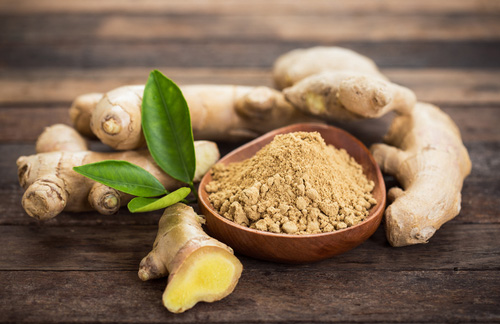
Ginger extract offers a concentrated form of the root’s bioactive compounds, making it a popular choice for targeted health support. Unlike fresh ginger or powder, extracts standardize key ingredients like gingerols and shogaols, delivering reliable doses for nausea relief, inflammation reduction, and metabolic benefits.
What Is Ginger Extract?
Ginger extract is derived from the rhizome of Zingiber officinale through processes like water, ethanol, or supercritical CO2 extraction, yielding a potent liquid, powder, or capsule form. It typically contains 5–20% gingerols (active anti-inflammatory and antioxidant compounds), far higher than raw ginger’s 1–3%. This concentration supports uses from digestive aid to joint pain relief, backed by clinical trials using similar preparations.
Extracts vary by type: aqueous for mild digestion support, alcoholic for broader bioavailability, and oleoresins for spice-like potency. Standardized extracts ensure consistent efficacy, unlike variable fresh root.
Key Proven Benefits
Nausea and Motion Sickness Relief
Ginger extract excels at combating nausea, with studies showing 250–500 mg doses reduce symptoms by 25–40% in pregnancy, chemotherapy, and postoperative settings. A key mechanism involves faster gastric emptying and serotonin receptor modulation. For motion sickness, 1 g pre-travel prevents vomiting better than placebo in trials.
Anti-Inflammatory Effects
Extracts inhibit pro-inflammatory pathways like NF-κB and COX-2, mirroring mild NSAIDs. Human trials report reduced CRP, TNF-α, and IL-6 after 1–2 g daily for 8 weeks, especially in arthritis and metabolic syndrome. A 2023 trial found 20 mg gingerols daily boosted anti-inflammatory cAMP in neutrophils, aiding autoimmune conditions.
Pain Management for Osteoarthritis and Menstrual Cramps
In knee OA, 500 mg extract daily over 12 weeks cut pain by 30% and improved mobility, per meta-analyses. For dysmenorrhea, 250 mg thrice daily matched mefenamic acid in pain reduction. Gingerols block prostaglandin synthesis, explaining these effects.
Blood Sugar and Lipid Control
Type 2 diabetes trials show 1–3 g extract lowers fasting glucose by 10–15%, HbA1c by 0.5–1%, and triglycerides, via enhanced insulin sensitivity and GLUT4 expression. Antioxidant actions reduce oxidative stress linked to complications.
Antioxidant and Oxidative Stress Reduction
Extracts boost SOD, CAT, GPx, and GSH while cutting MDA and lipid peroxidation. Cancer patients on chemo saw improved antioxidant status with 20 mg gingerols daily. This supports anti-aging and disease prevention roles.
Digestive and Gut Health
Extracts accelerate gastric motility, easing dyspepsia and IBS symptoms. Anti-Helicobacter pylori activity aids ulcers, and bowel disease reviews note TNF-α reductions.
Other Emerging Uses
Preliminary data suggest neuroprotective effects via antioxidant defense in diabetic models, plus potential anticancer actions through apoptosis induction. Cardiovascular benefits include lowered BP and cholesterol in animal studies.
Dosage Recommendations
Effective doses from trials:
- Nausea: 250–1,000 mg/day, divided, short-term (3–7 days).
- Pain/Inflammation: 500–1,500 mg/day for 4–12 weeks.
- Metabolic Support: 1–3 g/day for 8–12 weeks.
- General Wellness: 250–500 mg/day.
Start low (250 mg), take with food. Extracts are 4–10x more potent than powder, so adjust accordingly (e.g., 500 mg extract ≈ 2–4 g powder). Cycle 8–12 weeks on, 2–4 off.
How to Choose the Best Ginger Extract
Standardization Matters Most
Look for:
- 5–10% gingerols (or 6-gingerol specifically) for potency.
- Total pungent compounds ≥20% for broad effects.
- CO2 or ethanol extracts for superior bioavailability over water-based.
Avoid generic “ginger root extract” without specs—efficacy drops 50–80%.
Quality Indicators
| Feature | Why It Matters | Red Flags |
|---|---|---|
| Third-Party Testing (USP/NSF/ConsumerLab) | Verifies purity, potency, no contaminants (lead, pesticides) | None listed |
| Organic Certification | Reduces solvent residues | “Natural” claims without proof |
| Enteric-Coated Capsules | Protects stomach, boosts absorption | Cheap fillers (magnesium stearate) |
| Full-Spectrum | Retains shogaols, paradols for synergy | Isolated gingerol only |
| Reputable Brands (e.g., Thorne, NOW, Life Extension) | Consistent manufacturing | Unknown imports, low price |
Forms Compared
- Capsules: Precise dosing, travel-friendly (best overall).
- Liquid Tinctures: Fast absorption, sublingual option (1–2 ml = 500 mg).
- Powder: Versatile for smoothies (1/4 tsp ≈ 500 mg).
- Softgels: Oil-based for fat-soluble benefits.
Price check: Quality 500 mg capsules cost $0.20–0.40/serving; bargains often underdose.
Side Effects and Safety
Generally safe up to 3 g/day:
- Common (5–15%): Mild heartburn, diarrhea, bloating (enteric coating helps).
- Rare: Allergic rash, mouth irritation.
Cautions:
- Pregnancy: ≤1 g/day safe; consult MD.
- Blood Thinners: Mild antiplatelet effect; monitor with warfarin/aspirin.
- Diabetes/BP Meds: Additive lowering; test levels.
- Gallstones/GERD: May stimulate bile/acid.
- Stop 2 weeks pre-surgery.
No toxicity up to 6 g in trials; long-term data limited to 6 months.
Practical Tips for Use
- Pair with Black Pepper/Piperine: Boosts absorption 20x.
- Fatty Meals: Enhances bioavailability.
- Stack Synergies: Turmeric + ginger for inflammation; probiotics for gut.
- Storage: Cool, dry; lasts 2 years.
Daily Routine Example:
| Time | Dose | Purpose |
|---|
| Time | Dose | Purpose |
|---|---|---|
| Morning | 250 mg | Energy, nausea prevention |
| With Lunch | 250 mg | Digestion, blood sugar |
| Evening | 250 mg | Pain relief, recovery |
Track 2 weeks: Note energy, pain, digestion.
Realistic Expectations in 2026
Ginger extract isn’t a miracle—benefits are modest (e.g., 20–40% symptom cuts) but reliable as adjuncts. Strongest evidence: nausea, pain, metabolic tweaks. Combine with diet (Mediterranean, anti-inflammatory foods), exercise, sleep for best results. Consult MD for chronic conditions.
Quality extract + consistency = meaningful gains in inflammation, digestion, and vitality. Choose standardized, tested products to avoid hype-driven duds.