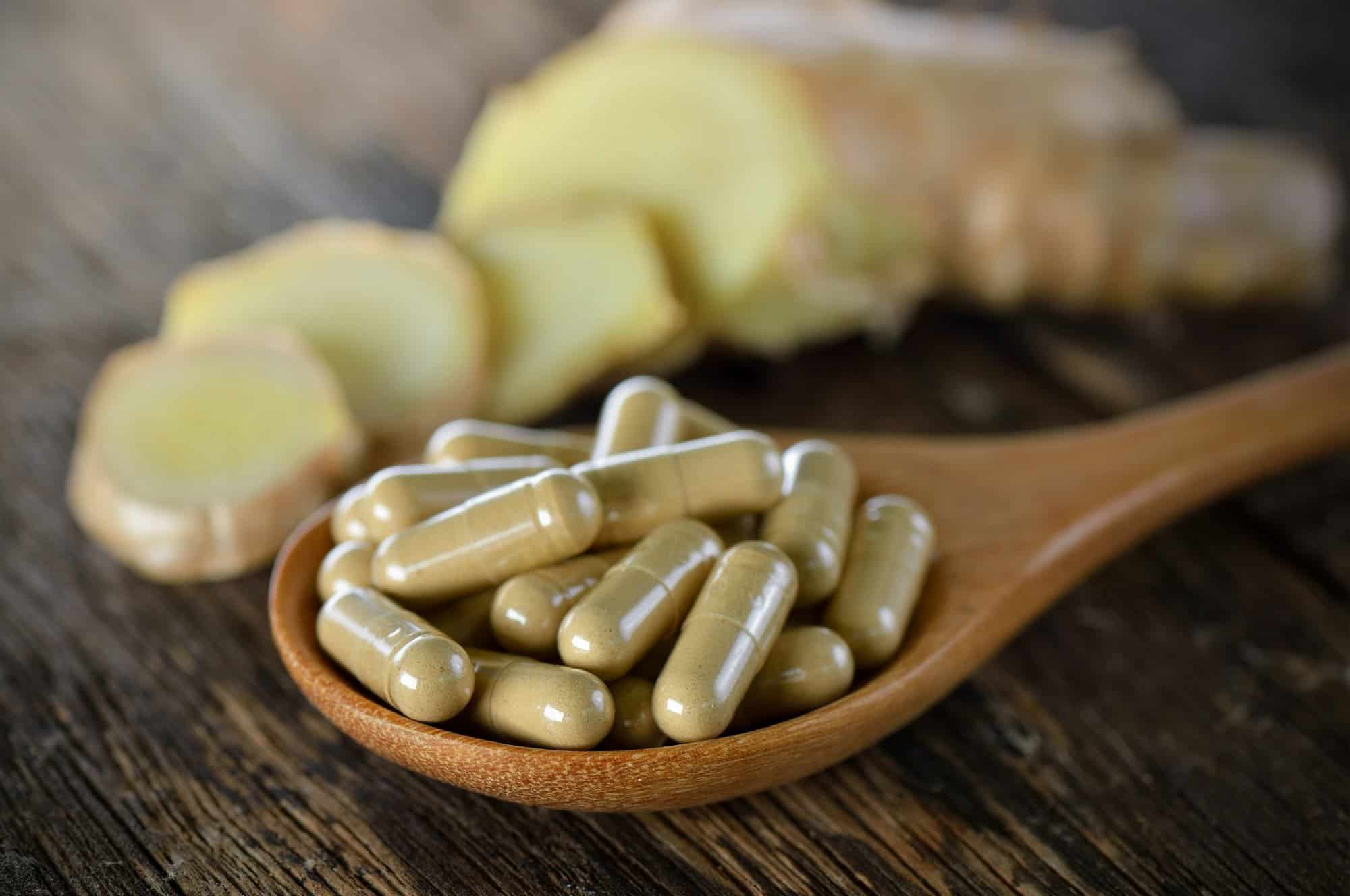
Ginger capsules offer a convenient way to harness ginger’s bioactive compounds, but their benefits are specific and backed by varying levels of evidence. Most studies use standardized doses of dried ginger powder or extracts, showing modest support for nausea relief, pain reduction, and metabolic health, though they are not a cure-all.
What Are Ginger Capsules?
Ginger capsules typically contain powdered rhizome from Zingiber officinale, standardized to active compounds like gingerols and shogaols, which drive its effects on digestion, inflammation, and nausea. Unlike fresh ginger or tea, capsules deliver consistent doses without culinary dilution, making them popular for targeted use. They are widely available in 500 mg to 1,000 mg per capsule, often enteric-coated to reduce stomach irritation.
Proven Benefits Backed by Studies
Nausea and Vomiting Relief
Ginger capsules shine for pregnancy-related nausea, with meta-analyses of randomized trials showing significant symptom reduction versus placebo. Doses of 1–1.5 g daily over short periods (e.g., 4 days) eased nausea in early pregnancy without affecting vomiting frequency as strongly. Evidence also supports use for chemotherapy-induced nausea, though results vary; postoperative nausea shows mixed outcomes. This makes capsules a practical option for acute relief.
Menstrual Pain (Dysmenorrhea)
Multiple trials demonstrate ginger capsules (750–2,000 mg daily during menses) reduce pain intensity comparably to ibuprofen in primary dysmenorrhea. A 2021 meta-analysis confirmed statistically significant pain score drops, likely from ginger’s COX-inhibiting effects on prostaglandins. Women report fewer cramps and less need for additional analgesics.
Osteoarthritis Symptom Management
For knee osteoarthritis, 500–1,000 mg daily of ginger extract capsules over 6–12 weeks lowered pain and stiffness in several RCTs. An umbrella review graded this among higher-confidence benefits, with improved function scores, though not all studies matched NSAID potency. Capsules suit long-term joint support.
Blood Sugar and Metabolic Support
In type 2 diabetes, 1.6–2 g daily ginger capsules improved fasting glucose, HbA1c, and insulin sensitivity in meta-analyses of short-term trials (8–12 weeks). Lipid profiles saw modest TG reductions without major cholesterol shifts. These effects stem from enhanced glucose uptake and anti-inflammatory actions, positioning capsules as adjuncts to diet and meds.
Anti-Inflammatory and Antioxidant Effects
Capsules reduce markers like CRP, TNF-α, and IL-6 in meta-analyses across inflammatory conditions. Doses of 1–3 g daily over weeks lowered oxidative stress (e.g., MDA) while boosting antioxidants. Benefits appear in diabetes and arthritis subsets, supporting chronic low-grade inflammation management.
Digestive Aid
Ginger accelerates gastric emptying and eases dyspepsia symptoms like bloating in functional trials. Capsules (1–2 g) may benefit mild IBS or post-meal discomfort, though evidence is less robust than for nausea. Bowel disease reviews note biomarker improvements, but clinical symptom relief varies.
Recommended Dosage Guidelines
Most benefits emerge at 1–2 g total daily dried ginger powder, split into 2–4 doses (e.g., 500 mg capsules twice or thrice daily). Extracts may use 250–500 mg equivalents due to concentration.
- Nausea: 1 g/day, divided, short-term (3–7 days).
- Pain/OA: 500–1 g/day for 4–12 weeks.
- Metabolic: 1.5–2 g/day for 8–12 weeks.
- General: Start at 500 mg/day, titrate up.
Take with food to minimize upset; enteric coating helps. Cycle use (e.g., 8–12 weeks on, 2–4 off) unless advised otherwise. Fresh ginger equates roughly to 4 g raw per 1 g powder.
Potential Side Effects
Ginger capsules are safe for most at studied doses, but mild GI issues affect 5–10%:
- Heartburn, diarrhea, abdominal discomfort, mouth irritation.
Higher doses (>4 g/day) increase risks; rare cases include allergic reactions.
Not ideal for:
- Gallbladder issues (stimulates bile).
- Pre-surgery (mild blood-thinning; stop 2 weeks prior).
- GERD (may worsen reflux).
Drug Interactions and Cautions
Ginger mildly inhibits platelet aggregation and may enhance:
- Anticoagulants (warfarin, aspirin): Monitor bleeding risk.
- Diabetes meds: Hypoglycemia possible; check blood sugar.
- BP drugs: Additive lowering effects.
Pregnant: Safe up to 1 g/day per NCCIH; consult OB. Breastfeeding: Generally fine. No major toxicity in trials up to 2 g/day for months.
Choosing Quality Capsules
Opt for:
- Standardized to 5% gingerols.
- Third-party tested (USP/NSF).
- No fillers; organic if possible.
Avoid if history of ulcers or stones without doc approval.
Integrating into Daily Life
Start low, track symptoms. Pair with anti-inflammatory diet (fish, veggies, olive oil) for synergy. Capsules beat tea for precision but complement fresh ginger in meals.
Ginger capsules deliver reliable, evidence-based support for nausea, pain, and metabolic tweaks at 1–2 g daily, with minimal sides for most. They fit as adjuncts, not replacements, for health goals—consult pros for personalized use.