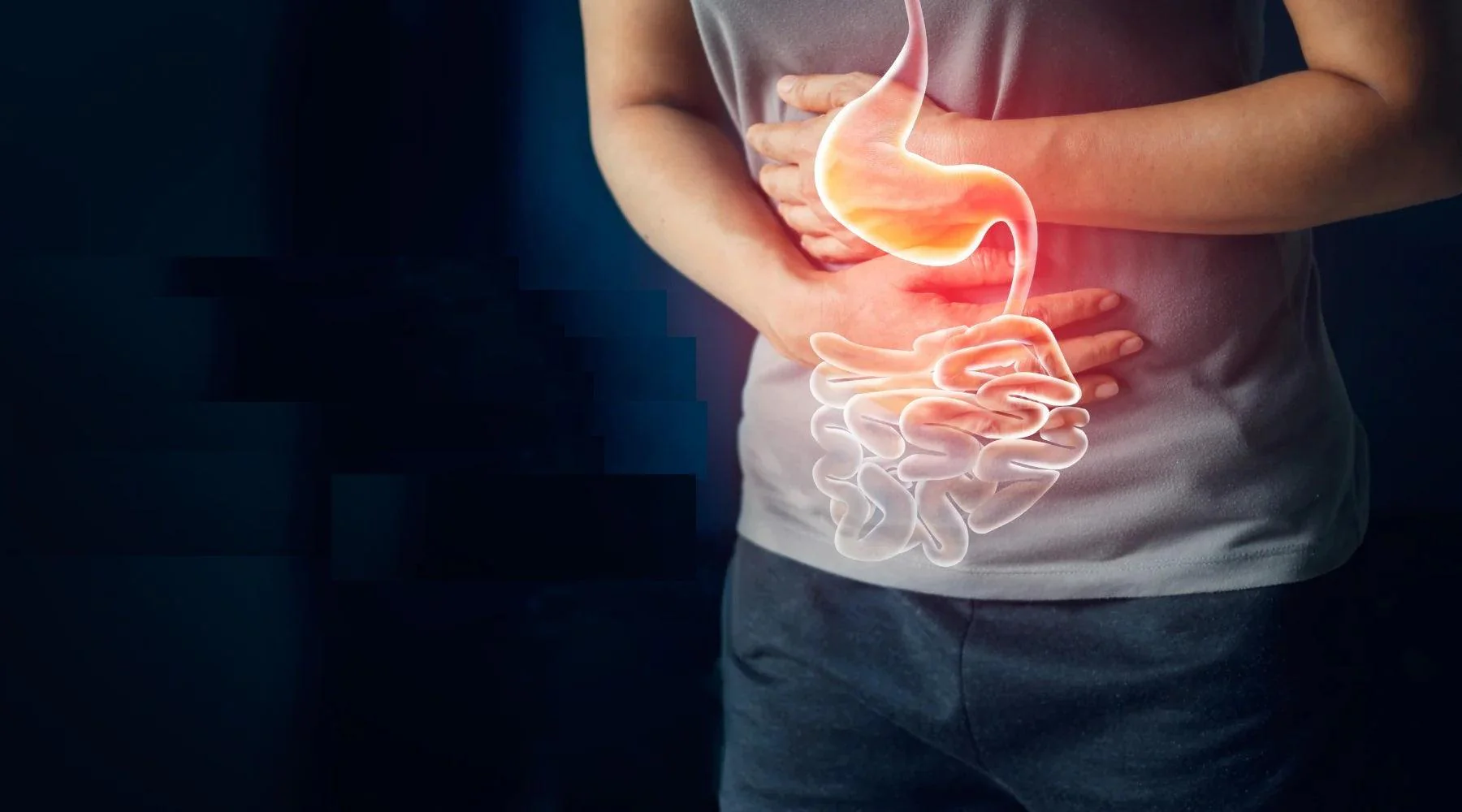
Improving digestion naturally depends far more on daily habits than on any single “miracle” food. A combination of mindful eating, smart food choices, movement, stress management, and good sleep can meaningfully transform how the gut feels and functions over time.
Understand your digestion
Digestion begins in the mouth, where chewing and saliva start breaking food down long before it reaches the stomach and intestines. From there, muscular waves move food along the digestive tract while enzymes, stomach acid, bile, and gut bacteria work together to extract nutrients and form waste.
When this system is overloaded with ultra-processed foods, rushed meals, dehydration, or chronic stress, problems like gas, bloating, reflux, and constipation become more likely. The good news is that digestive function responds quickly to simple, natural changes in how and what you eat and how you live day to day.
Eat in a gut-friendly way
How you eat can matter as much as what you eat. Eating slowly and chewing thoroughly reduces the amount of air you swallow, gives enzymes time to work, and lowers the chance of overeating, all of which help reduce bloating and discomfort. Practical strategies include putting utensils down between bites, taking smaller bites, and aiming for at least several calm, distraction-free meals per week.
Portion size and meal timing also influence digestion. Eating smaller, more frequent meals can prevent overwhelming the digestive system and may help people prone to reflux or heaviness after big dinners. Allowing a few hours between the last meal and bedtime helps gravity and gut motility do their work, reducing nighttime reflux risk.
Choose foods that support digestion
Food quality is one of the strongest levers for better digestion. Whole, minimally processed foods—fruits, vegetables, whole grains, beans, nuts, seeds, and lean proteins—support a diverse gut microbiome and smoother bowel movements. In contrast, diets high in ultra-processed foods, added sugars, and some refined fats are linked to worse metabolic and gut outcomes and more digestive complaints.
Fiber is especially important. Soluble fiber (found in oats, beans, and many fruits) absorbs water and forms a gel that can soften stool and help regulate blood sugar, while insoluble fiber (in whole grains, vegetables, and seeds) adds bulk and helps food move through the intestines. Experts often recommend 25–30 grams of fiber per day for most adults, but increasing intake gradually is crucial to avoid excess gas and bloating.
Hydrate for smoother digestion
Water is an understated digestive tool. It helps dissolve nutrients, supports stomach acid and enzyme function, and keeps stool soft so it can move through the colon more easily. Even mild dehydration can slow motility and contribute to constipation, headaches, and a general feeling of sluggishness.
Aiming to sip water regularly throughout the day, rather than drinking huge amounts at once, tends to work best for digestion. Many guidelines suggest around 8–10 glasses per day for most adults, adjusted for climate, activity level, and medical conditions. Herbal teas such as ginger or peppermint can be a gentle option for some people, though very strong mint or citrus may worsen reflux in others.
Support your microbiome
The community of bacteria, fungi, and other microbes in the gut (the microbiome) plays a central role in digestion, immunity, and even mood. Eating a variety of plant foods rich in different fibers helps cultivate a diverse, resilient microbiome. Fermented foods like yogurt, kefir, kimchi, miso, sauerkraut, and kombucha can introduce beneficial bacteria and may help some people with regularity and bloating.
Probiotics and prebiotics work together in this process. Probiotics are live “friendly” microbes found in fermented foods and supplements, while prebiotics are fibers that feed them, abundant in beans, whole grains, garlic, onions, asparagus, bananas, and similar foods. Some clinical guidance notes that probiotics may help certain conditions, such as irritable bowel syndrome, but emphasizes that evidence is stronger for some strains and uses than others and that not all digestive problems respond.
Move your body regularly
The digestive tract is muscular, and like other muscles, it responds to activity. Gentle movement encourages intestinal contractions (peristalsis), supports regular bowel movements, and can reduce feelings of fullness and sluggishness after meals. Even a 10–15 minute walk after eating can help support blood sugar control and digestive comfort.
Regular exercise also benefits the microbiome. Research suggests that a mix of aerobic activity and strength training several days per week is linked to a more diverse gut microbiota and increased production of beneficial short-chain fatty acids such as butyrate, which nourish the colon lining. The key is consistency rather than intensity; walking, cycling, yoga, and light strength work can all contribute.
Manage stress and the gut–brain axis
The gut and brain talk constantly via nerves, hormones, and immune signals, and chronic stress can disrupt this communication, leading to symptoms like cramps, diarrhea, constipation, and flare-ups of conditions such as IBS or reflux. When the body is locked in “fight-or-flight” mode, blood flow shifts away from the digestive organs and motility patterns change, making digestion less efficient.
Calming the nervous system supports digestion as much as it supports mood. Short, realistic practices—slow breathing before meals, a 5–10 minute daily meditation, journaling, or tech-free breaks—can help move the body into a “rest-and-digest” state. Some people also find that yoga, tai chi, or walks in nature reduce digestive symptoms by lowering overall stress reactivity.
Sleep and daily rhythm
Sleep quality and circadian rhythm also impact digestion. Irregular sleep patterns, short sleep, and late-night eating can disturb gut motility and microbiome balance and are linked with higher rates of reflux and metabolic problems. Most adults benefit from 7–9 hours of sleep, regular bed and wake times, and avoiding heavy meals and alcohol close to bedtime.
Eating and moving in sync with the day–night cycle—larger meals earlier in the day and lighter ones at night—can help some people with heartburn, bloating, or sluggishness. Matching caffeine intake to earlier hours and limiting alcohol, which can irritate the gut lining and relax the lower esophageal sphincter, further supports natural digestive rhythms.
When to be cautious and see a doctor
Natural strategies are powerful, but they are not a substitute for medical evaluation when warning signs appear. Persistent or severe symptoms—such as unintentional weight loss, blood in stool, black or tarry stools, difficulty swallowing, repeated vomiting, persistent pain, anemia, or a strong family history of digestive cancers—need professional assessment. Likewise, sudden changes in bowel habits lasting more than a few weeks should be discussed with a healthcare provider.
For many people, though, improving digestion naturally starts with a simple framework: eat whole and fiber-rich foods, hydrate consistently, move your body, calm your nervous system, and respect your sleep and daily rhythm. Applied consistently over time, these everyday habits can make digestion feel smoother, more predictable, and more comfortable—without relying solely on pills or quick fixes.